Jun 04, 2026
Why the USPTO Rejected Your Product Photo as a "Mockup" and How to Fix It
The USPTO rejects product photos as 'mockups' when examiners suspect digital creation or AI generation instead of real goods in commerce. Fix it by submitting a verified substitute specimen with genuine product photography, or amend your filing basis to Intent-to-Use (Section 1(b)). Learn the legal requirements and avoid specimen refusal.
May 21, 2026
How to Respond to a Likelihood of Confusion Office Action?
If you just got this notice, do not panic. This is one of the most common hurdles in the trademark world. It does not mean your application is dead. It just means you need to stand up and fight for your brand.
May 14, 2026
How to Respond to a USPTO Office Action?
Don't panic over a USPTO Office Action—it's just a hurdle, not a dead end. I’m here to help you navigate the strict deadlines and technical fixes needed to protect your trademark, ensuring a bit of paperwork doesn't stop you from securing the brand you've worked so hard to build.
May 07, 2026
Why Your Canadian Business Registration Is Not a Trademark?
To put it simply: a business registration is just an ID, while a trademark is a deed. Think of your provincial registration as a way to let the government know who you are for taxes—it’s an administrative formality that offers zero legal "teeth" to stop others from using your name. It doesn't give you ownership; it just gives you permission to operate. If you want a real insurance policy for your brand, you need more than just a line in a provincial registry.
May 05, 2026
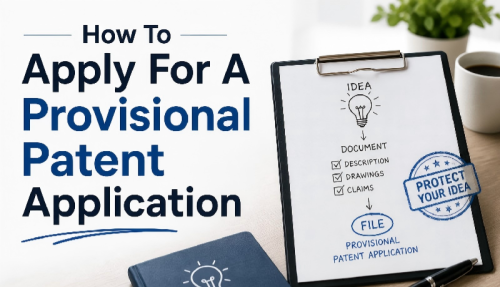
How To Apply For A Provisional Patent Application: A Step-by-Step Guide for Inventors
To file a provisional patent application, you need to prepare a detailed description of your invention, including drawings if applicable. Complete the USPTO’s Provisional Application for Patent Cover Sheet, which includes the title of the invention, the names of all inventors, and their residences. Pay the applicable filing fee, then submit your application electronically through the USPTO’s Electronic Filing System (EFS-Web) or by mail. Ensure all required elements are included to secure your filing date and establish patent-pending status for your invention.
Apr 30, 2026
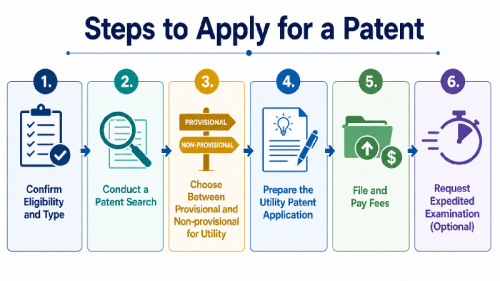
Steps to Apply for a Patent
Applying for a patent in the United States involves a multi-step legal process managed by the United States Patent and Trademark Office (USPTO). Because patent applications are complex legal documents, the Patent Office recommends consulting a licensed patent attorney or agent. This article is written by a licensed patent attorney who has practiced in patent law for over 10 years.
Apr 23, 2026
Going Global? Is Your Trademark Ready?
International expansion is among the most significant undertakings for a maturing brand. New market entry facilitates access to expanded customer segments, collaborative opportunities, and heightened global presence.
Apr 16, 2026
Is Your Logo Leaving Your Brand Unprotected?
When entrepreneurs think about brand protection, the logo is usually the first priority. It’s visual, memorable, and often the “face” of the business. You recognize the swoosh or the golden arches instantly. Naturally, many business owners assume that trademarking their logo is a “mission accomplished” for legal protection.
Apr 09, 2026
Goods or Services? Is a Simple Filing Error Leaving Your Subscription Revenue Unprotected?
In the contemporary commercial landscape, the subscription model has emerged as a defining paradigm. From software-as-a-service (SaaS) platforms and online membership communities to curated subscription boxes, businesses are increasingly transitioning to recurring-revenue frameworks that foster sustained customer engagement and predictable income streams.
Apr 09, 2026
When Does “Inspired By” Cross the Legal Line Without You Realizing It?
Inspiration is everywhere. A compelling logo, a catchy slogan, or an innovative product design can spark great ideas. But in today’s fast-paced digital environment, it is easy to unintentionally borrow too much from someone else’s work—and that creates real legal risk.
- 1. Why the USPTO Rejected Your Product Photo as a "Mockup" and How to Fix It
- 2. How to Respond to a Likelihood of Confusion Office Action?
- 3. How to Respond to a USPTO Office Action?
- 4. Why Your Canadian Business Registration Is Not a Trademark?
- 5. How To Apply For A Provisional Patent Application: A Step-by-Step Guide for Inventors
- 6. Steps to Apply for a Patent
- 7. Going Global? Is Your Trademark Ready?
- 8. Is Your Logo Leaving Your Brand Unprotected?
- 9. Goods or Services? Is a Simple Filing Error Leaving Your Subscription Revenue Unprotected?
- 10. When Does “Inspired By” Cross the Legal Line Without You Realizing It?